Wednesday, 30 July 2014

Chillies

Some of the Indian dishes that are around today are categorised by the use of chillies and heat within the curries. Is is important to understand which chillies are being used and how they affect the spiciness of the dishes they are placed into, and how fresh chillies differs from powdered or dried chillies. Not all people like their dishes to be spicy, but chillies (the mild range) can be used to flavour a curry without having it scorching the tongue.

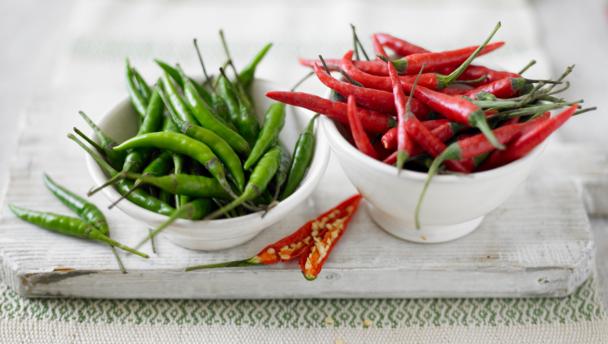
The most common type of chili used within curries are the fresh kind, either green or red. Green chillies are long and slim, and the most fresh that can be bought. They have a very strong, powerful flavour and can be very spicy depending on the variety. They are found in many shops, from packets within supermarkets or loose batches in local shops. This type of chili are often sliced and mixed into curries, or left whole with a slit for soup type dishes.

Red chillies are noticeably larger and fatter than green chillies, and often used in different cuisines of cooking such as Chinese and Thai food. These chillies still have a subtle heat, but are much milder than green chillies, and often used as decoration on top of dishes or within salads.

Dried chillies are red in colour and come in two types. There are ones which have the same look as the green chillies and others are very small, around a centimetre long, but are twice as potent and spicy. These are often fried in oil before the base sauce is made for a curry. They are fried with cumin and mustard seeds and release heat within the dish, making the actual oil it had been fried in very spicy.

The last form of chili that is used within Indian cooking is chilli powder. This, though it may seem like it may be less spicy due to its lack of freshness, is actually the most potent and spicy from most of the chillies listed above. Its concentrated flavour as the ability to make some dishes truly spicy. It is often used by takeaway shops in excessive use, making dishes lose their layers of deep flavour, and more based upon how much chilli there is.
Tuesday, 29 July 2014

Cumin Seeds

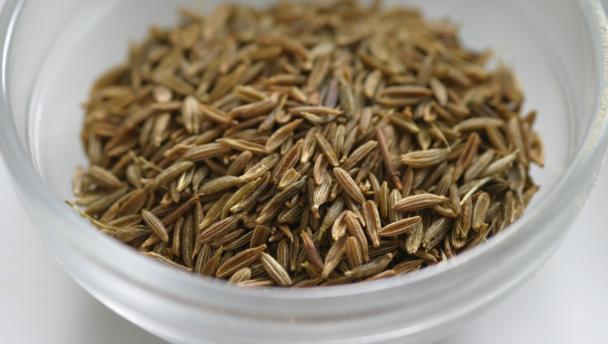
Cumin seeds, much like mustard seeds, are often fried in a pan with oil to release its flavour. Its peppery flavour has a punchy flavour enhance the depth in dishes where it is a key ingredient in almost every dish. They are often mistaken for caraway seeds, which have a bitter flavour and used within different dishes. Ground cumin is also availableas a powder, it has the same flavour as the seeds, but a smoother texture. Cumin powder is often combined or mixed with other spices in order to make it bring out peppery notes, such as within Dhana Jiru (coriander and cumin powder) and curry powder, where the use of cumin is one of the main aspects.

There is no substitute to cumin as a flavour, so many of the dishes around India have the tones from this seed as apart of the dishes. Some dishes even go to the extent of using a vast amount of cumin to bring out the most of its flavour, famously 'jeera chicken' is one of these dishes. Grinding cumin seeds before frying in oil also releases a bigger punch of flavour to curries, however they are often kept whole to keep a muted tone and provide a crunchiness to the dishes.

There are also health benefits of cumin, such as iron for energy and immune function. The seeds are also very good for digestion as they easily break down compounds for proper digestion and extracting nutrients. Cumin seeds have also recently been discovered of preventing some strains of cancer. Their anti-carciogenic properties prevent cancer from developing within the stomach or liver areas.

Mustard Seeds

There are different types and varieties of mustard seeds, with difference in colour and pungency. Black mustard seeds are those that are most commonly used within cooking. They have a strong, pungent taste and also offer a sense of heat within dishes. These can also be intensified by cracking the seeds or grounding them into a powder for a deeper pungency and heat. White mustard seeds are those used for yellow mustard, and are grounded into a paste. These are the most mild of the range and hardly ever used within curries. There are also brown mustard seeds which have a slightly stronger taste than the white seeds and often used in Dijon mustard, again, not often used within Indian cooking.

Mustard seeds are used within dishes to enhance and intensify the flavour of curries. They can be made into a paste or power and added into dishes, however some of the intensity is lost and there is a lack of texture. When using mustard seeds, they are usually fried within a pot with oil prior to tomato bases being added along with other spices. When the seeds pop, they release a slightly nutty tone which compliment the heat of the dishes.

There are also health benefits of using and eating mustard seeds, as they are known for having many nutritious properties. They are a good source of omega acids, iron, zinc and calcium. Magnesium content also provides a speeding process of metabolism and improves digestion. They have also been proben to reduce the frequency of migrains as they have been known to have antiseptic, antibacterial and antifungal properties. Though mustard seeds may be a relatively small aspect of an Indian dish, they provide a punch of flavour as well as health benefits.

Spices In Indian Cooking

Spices are the most important factor about Indian dishes. The ability to build layers of flavours and notes within curries allow this form of cuisine to be so versatile and offer such a vast variety of dishes. Depending upon where abouts a curry had been made and developed, the use of spices often vary considerably, but all use this as a foundation for the dishes. Indian cooking is defined by the use of spices, throughout the whole country, and so spices are often readily available, making dishes from all corners of India use the same basis.

When looking at specifically northern Indian food, the main basic spices that are used tend to be turmeric, chili, dhana jiru (cumin and coriander mix), cumin, mustard, garam masala and salt for seasoning. The conventional curries with beans or lentils tend to use these as a base for sauces, however it is also common for cloves or other whole spices to be used within cooking.


Monday, 28 July 2014

Background Information

North India is a loose term used for a variety of states, with the cusine varying across different each town, yet all encompassing a unique identity making the diverse range of dishes found today all different and original. Being categorised by extreme climates (very cold winters and hot summers), the range of produce available allows for many different dishes to be created, especially of the vegetarian range whereby there is a vast amount of seasonal vegetables that are grown.

Northern Indian dishes, in particular curries, tend to have a creamy, thick and somewhat spicy nature, though extreme spice is often known for southern forms of cooking. Dairy products are one of the very popular and most common uses within cooking, especially in the north, with milk, cream, ghee (clarified butter), paneer (cottage cheese) and curd (yogurt) often being used in both savoury and sweet dishes. The use of nuts and dried fruits are also very popular in northern cooking, though it is more often found in sweet deserts rather than main dishes. The climate of India also makes it easy for vegetables to thrive in these conditions, so the vast variety of dishes that are created are vegetarian, due to the solid supply of fresh products and the religious backgrounds where eating meat may be frowned upon. 

In South India, the popular choice tends to be rice over breads when accompanying a meal, however in the north it is the other way around. North india is famously known for its tandoori naans and rotis (cooked within a clay oven) as well as parathas and puris. However, rice dishes are also popular, with biryanis and pilafs becoming more complex with flavour combinations and spices. 

Spice, of course, is a particulary important aspect of indian cooking in general, with such a variety of combinations being used across the country leading to such a diverse range of dishes. The main spices that are used include tumeric, chilli powder, dhana jiru (coriander and cumin powder), garam masala, kashmini chillies (dried chillies), coriander, cumin, cardamon, cloves, fennel/aniseed and cinnamon. Spices are often fried in a small amount of oil before adding the base sauce, making the curry more pungent and deep in its flavour as the spices had been extracted and released into the oil. The oil that is used within cooking is also those that do not have a particular flavour, with the most popular being sunflower and vegetable oils. However, ghee may also be used for cooking to makes dishes incredibly rich for special occassions. 

Some of the most popular and famous dishes are those that may also be known to a British audience, being Mutter Paneer (cottage cheese with peas), biriyani, pilaf, daal makhani and other tomato based curries with traditional Indian vegetables.